Because YouTube is both a video platform and the second-largest search engine in the world, Shorts occupy a unique position in digital discovery.
They are not only a social feed format. They are fully embedded into the world’s largest video search engine. Shorts appear inside YouTube results, across home recommendations, and increasingly inside Google search pages.
This dual placement makes YouTube Shorts the bridge between social discovery and classical search. It is the only major short-video format where creators can surface simultaneously through platform feeds and traditional search behavior.
Understanding how YouTube Shorts are discovered, indexed, and surfaced is now essential for anyone interested in people discovery, identity visibility, and cross-platform research.
Why YouTube Shorts are structurally different
TikTok and Instagram prioritize feed-first discovery. YouTube operates search-first.
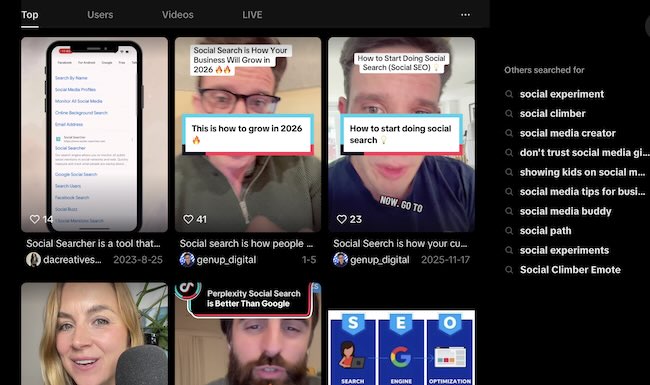
This difference is particularly visible when comparing discovery systems across platforms. TikTok relies heavily on algorithmic feed distribution, where content spreads through recommendation loops rather than traditional search queries. A detailed overview of these mechanisms can be found in this guide on how TikTok search and discovery work.
Even before Shorts existed, YouTube had two decades of experience organizing video around:
- queries
- topics
- watch sessions
- creator histories
Shorts were not built as a separate platform. They were integrated directly into YouTube’s existing indexing and recommendation systems.
This means Shorts inherit properties no other vertical video format has: permanence, historical continuity, and full integration into search infrastructure.
How YouTube indexes Shorts
YouTube does not treat Shorts as lightweight clips. It treats them as videos with compressed runtimes.
According to YouTube’s official documentation on search and discovery systems, videos are ranked based on relevance, viewer engagement, and contextual signals.
Each Short is processed through the same core indexing systems that power YouTube’s broader search infrastructure.
Metadata and contextual signals
YouTube evaluates traditional metadata signals including:
- video titles
- descriptions
- hashtags
- channel category and history
These elements help the system understand the primary topic of the Short and determine where it should appear in search and recommendation surfaces.
Audio transcription
Speech in Shorts is automatically transcribed.
Questions, explanations, and terminology spoken in the video contribute to how the content is indexed for search queries.
Visual context
YouTube also evaluates visual context within video frames to identify environments, objects, and activities.
This additional context allows Shorts to surface in relevant searches even when certain terms are not explicitly written in the metadata.
Channel context
Shorts rarely exist in isolation.
YouTube evaluates how a Short fits into a channel’s historical content and topical focus.
Channels with consistent subject matter provide stronger context signals, which can improve how Shorts appear across discovery surfaces.
2026 updates: how YouTube and Google now interpret Shorts
Short-video discovery is evolving rapidly. Recent updates to YouTube and Google search systems significantly expanded how Shorts are interpreted and ranked.
While traditional indexing relies on metadata and transcription, newer systems analyze the semantic meaning of videos directly.
This shift allows creators to surface in search even when their videos are minimally optimized for SEO.
Multimodal AI indexing
Until recently, video discoverability depended heavily on titles, descriptions, and tags.
In 2026, Google’s multimodal language models increasingly analyze the video itself.
These systems process:
- spoken language
- visual environments
- on-screen text
- contextual cues from editing and pacing
This allows search systems to understand the semantic meaning of a Short even when metadata is minimal.
This shift toward AI interpretation reflects a broader transformation in search systems, where engines increasingly analyze images, audio, and video simultaneously. A deeper explanation of these signals appears in this guide to multimodal search and content signals in 2026.
If a creator explains a technical concept, demonstrates a skill, or answers a niche question, the system can interpret the expertise expressed in the video itself.
In some cases, recurring creators become associated with specific topics through voice patterns, visual presence, and repeated subject matter.
This deep analysis expands how identities emerge through video search.
The dedicated Shorts search filter
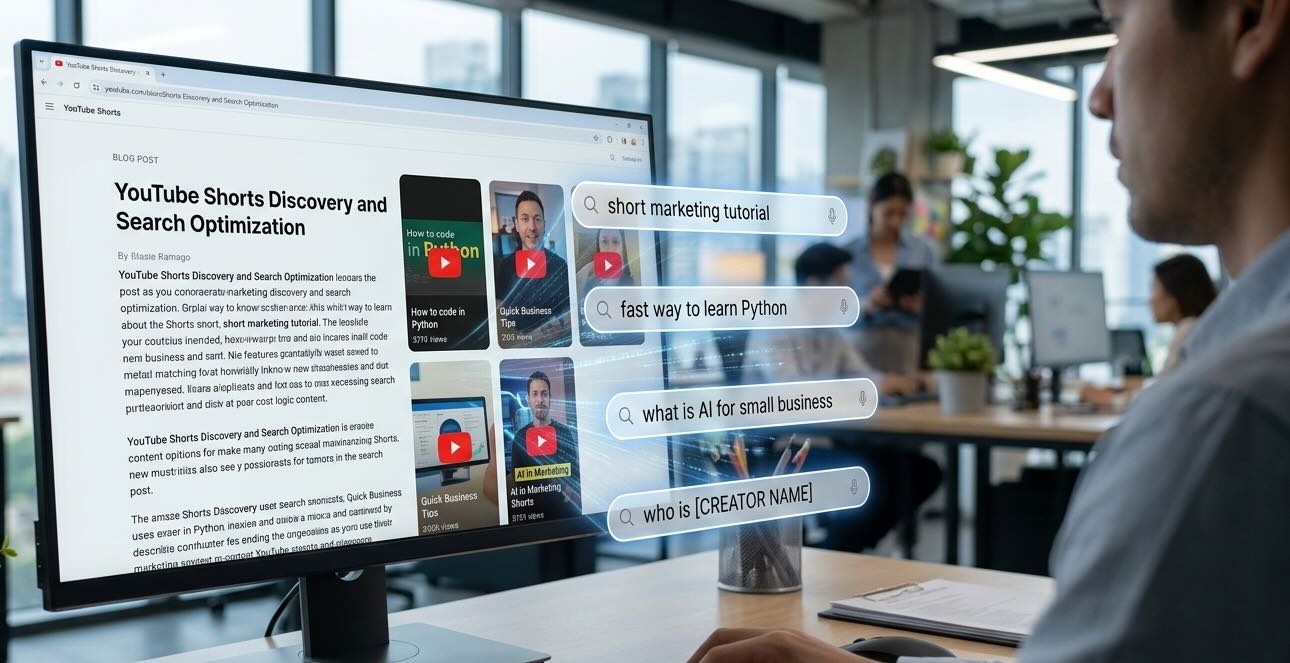
YouTube has introduced a dedicated Shorts filter within its search interface.
This change reflects a growing distinction in user intent.
When users activate the Shorts filter, they are often looking for fast explanations or quick demonstrations.
- quick how-to answers
- rapid concept explanations
- visual demonstrations
- immediate problem fixes
Shorts therefore act as high-speed discovery layers.
Creators frequently appear in search results as short-form explainers before users explore their full channels.
This behavior makes Shorts one of the fastest ways for new experts and specialists to surface in search.
Explore–exploit discovery testing
The Shorts recommendation system now uses a rapid testing model that aggressively evaluates new uploads.
Instead of relying primarily on subscriber counts, the system measures early viewer signals such as:
- completion rate
- rewatches
- engaged viewing time
- rapid interaction velocity
Shorts that perform well in early testing are quickly distributed to wider audiences.
This allows previously unknown creators to appear suddenly in large discovery streams.
As a result, viewers frequently encounter unfamiliar creators and begin searching for more information about them.
This pattern is one reason short-video ecosystems increasingly generate people-focused search behavior.
How people discover creators through Shorts
Shorts appear in multiple discovery environments.
- YouTube search results
- Google search integrations
- home feed recommendations
- topic clusters
- channel pages
This means a single Short can act as an identity gateway across ecosystems.
When a Short introduces a creator but provides limited context, structured tools for identifying and researching creators become useful.
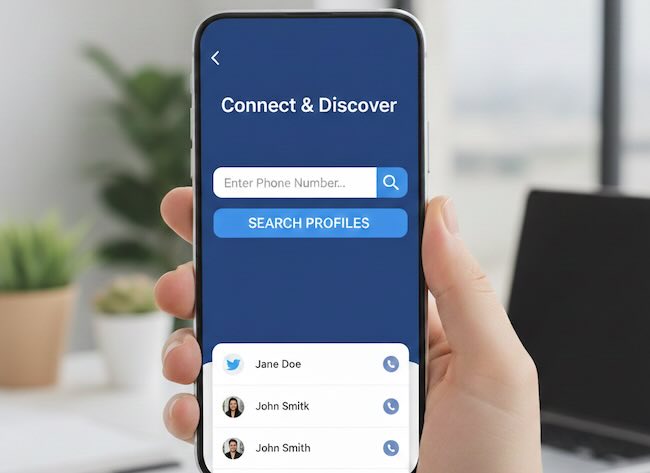
Platforms like User Search and People Discovery allow researchers to expand a single username, handle, or name into a broader cross-platform identity map.
Shorts inside YouTube search
Shorts now appear inside traditional YouTube search pages alongside long-form content.
When users search for tutorials, professions, or explanations, Shorts often surface as fast-context previews of creators.
Shorts inside Google results
Google increasingly surfaces Shorts for:
- how-to queries
- people-focused topics
- local and experiential searches
- emerging trends
This creates a discovery loop where a short clip becomes the first point of contact between a person and an identity.
Shorts inside recommendation flows
Home feeds and suggested streams expose Shorts based on viewing history and topical interest.
These flows frequently introduce creators users have never searched for explicitly.
What YouTube surfaces best through Shorts
YouTube Shorts perform particularly well for identities built around knowledge, skill, and commentary.
- educators and instructors
- industry professionals
- technical creators
- analysts and commentators
- hobbyist specialists
Shorts often function as previews of expertise.
They surface people before audiences commit to long-form viewing.
The role of channels in Shorts discovery
On YouTube, identity does not live in a single video. It lives in the channel.
Channels as identity anchors
Channels consolidate:
- historical uploads
- audience relationships
- topic focus
- external references
While a Short may introduce a creator, the channel resolves who they are.
Long-form content as identity expansion
Shorts frequently lead viewers to:
- full tutorials
- interviews
- commentary videos
- behind-the-scenes material
This long-form layer is where names, affiliations, and professional context often appear.
Shorts and cross-platform identity discovery
YouTube channels often act as identity hubs.
Creators regularly link:
- Instagram profiles
- TikTok accounts
- podcasts
- websites
- newsletters
This makes Shorts a frequent starting point for broader people discovery.
Once an identity surfaces through a Short, structured user search becomes critical to map that person’s wider digital presence.
Learn more about cross-platform identity expansion here: Guide to User Search
Hands-On Deep Dive: Mapping a Full Identity from a Single YouTube Short
By 2026, the YouTube algorithm’s “Explore/Exploit” model surfaces niche experts to users who have never heard of them. While a Short provides a quick insight, it is often just the surface layer of a much larger digital footprint.
If you are conducting professional research, vetting a creator, or performing an identity audit, follow this structured workflow to move from a 60-second clip to a full identity profile.
Step 1: Extract the Primary Digital Identifiers
Do not rely solely on the display name, which can be changed frequently. Instead, isolate the persistent data points embedded in the Short:
- The Channel Handle: Look for the “@” identifier, which serves as the unique anchor for that creator across the Google ecosystem.
- On-Screen Branding: Identify unique logos, watermarks, or URLs mentioned in the video overlays.
- Visual Metadata: Note recurring environments (offices, studios, or landmarks) that provide geographic or professional context.
Step 2: Pivot to the Channel Identity Hub
On YouTube, the channel acts as the “Source of Truth.” To resolve an identity, navigate from the Short to the main channel page to find:
- The “About” Metadata: Check for verified business emails and location settings.
- External Link Aggregators: Look for links to Linktree, newsletters, or professional portfolios.
- Topical Continuity: Review the “Videos” tab to see if their expertise is consistent over months or years, which builds entity trust in search rankings.
Step 3: Perform a Cross-Platform Entity Search
Because creators rarely exist on a single platform, the most efficient way to map an identity is to take the identifiers found in Step 1 and run them through a specialized discovery tool.
| Data from Short | Search Action | Expected Result |
|---|---|---|
| @UniqueHandle | Username Search | Linked TikTok, X (Twitter), or Instagram profiles. |
| Real Name / Alias | People Search | LinkedIn profiles, professional directories, or personal sites. |
| Niche Topic + Face | Visual/Context Search | Mentions in podcasts, interviews, or industry forums. |
Step 4: Verify Identity via Multimodal Signals
In 2026, AI-driven search allows you to verify identities by matching “Multimodal Signals.” If the person speaking in the YouTube Short has the same vocal patterns, specialized vocabulary, and visual branding as a profile on LinkedIn or Instagram, you have successfully resolved the entity.
To automate this process and find a creator’s full digital footprint instantly, use a dedicated discovery engine: User Search and Identity Mapping
The Short is the introduction; the cross-platform search is the handshake. In a fragmented digital world, one leads directly to the other.
Why YouTube is the strongest long-term identity layer
YouTube preserves continuity.
Unlike platforms where accounts are frequently deleted, renamed, or rebuilt, YouTube channels tend to accumulate history.
Channel identifiers
Behind every channel is a persistent identifier that does not change when branding evolves.
This allows researchers to track identities across years of uploads.
Historical traceability
Older Shorts and long-form videos often remain accessible.
This continuity enables timeline reconstruction, topic evolution analysis, and long-term presence verification.
Search integration longevity
Because YouTube is deeply integrated into Google, Shorts often remain discoverable long after trends fade.
When Shorts surface a person but not an identity
Not all Shorts resolve clearly to a person.
Common scenarios include:
- faceless educational channels
- compilation and repost accounts
- brand-managed creators
- theme-driven networks
In these cases, Shorts surface presence before identity.
Long-form content, channel history, and cross-platform expansion often become necessary to establish context.
Why YouTube Shorts matter for modern people search
Short-video discovery increasingly introduces identities before names.
YouTube Shorts amplify this effect by bridging into search ecosystems.
They surface:
- emerging experts
- local professionals
- niche specialists
- independent commentators
Understanding how Shorts are indexed and distributed clarifies why certain people appear in search results while others remain invisible.
YouTube Shorts do not replace search. They expand who search can surface.
FAQ: YouTube Shorts and Identity Discovery
Do YouTube Shorts appear in Google search results?
Yes. YouTube Shorts can appear in both YouTube search results and Google search pages, especially for queries such as tutorials, explanations, or emerging topics.
Because YouTube is closely integrated with Google’s search infrastructure, Shorts may surface alongside long-form videos, articles, and other multimedia results when they provide a quick answer or visual explanation.
Do YouTube Shorts appear in Google AI Overviews?
Sometimes. Google’s AI-generated search summaries may include YouTube videos or Shorts when the system identifies a clip that clearly demonstrates or explains a concept.
Since modern search systems can interpret video frames, spoken language, and on-screen text, Shorts can be used as supporting video references in AI-driven answers.
How does multimodal indexing affect YouTube Shorts?
Modern search engines analyze videos beyond traditional text metadata. Instead of relying only on titles and descriptions, algorithms interpret visual frames, spoken language, and on-screen text.
This means a Short can appear in search results based on what is shown or explained in the video itself, even if the exact keywords do not appear in the title or description.
Can a YouTube Short help verify a digital identity?
Yes. Shorts often act as the first visual reference for a creator’s identity, especially when the person appears on camera or uses a recognizable channel handle.
By combining the handle, visual cues, and spoken context with results from a user search engine, researchers can verify whether the same person appears across other platforms such as LinkedIn, Instagram, or professional websites.
How do I find a creator’s other social media profiles from a YouTube Short?
The most reliable method is to extract the creator’s YouTube handle or channel identifier and search for it across other platforms.
Many creators reuse the same username across multiple networks, which allows identity discovery tools to map the creator’s broader digital presence beyond YouTube.
How do you search for a YouTube user by username?
If you know the creator’s YouTube handle or channel name, you can search directly within YouTube or through external discovery tools that scan multiple social platforms.
Specialized tools such as cross-platform user search engines help locate accounts that share the same username across different services.
Can you identify someone from a YouTube Short?
Sometimes. If the creator appears on camera, speaks in the video, or uses a distinctive channel handle, the Short can serve as the first clue in identifying the person.
From there, viewers often trace the identity through the creator’s channel page, linked profiles, or references to external platforms.
Do YouTube Shorts contribute to entity recognition in search?
Yes. When a creator consistently publishes videos on a specific topic, search systems can begin associating that person with that subject area.
Over time, these signals help search engines connect a creator’s name, voice, and visual presence with their broader online identity and body of work.