Social media has transformed how people communicate, share opinions, and build professional identities. For HR professionals, this shift has introduced a new dimension to recruitment. Public online profiles can offer valuable context about candidates, but they also create ethical, legal, and professional risks if handled incorrectly.
This guide is designed for HR leaders, recruiters, and hiring managers who want to approach social media screening for employers in a structured, compliant, and fair way. Rather than focusing on how to “find dirt,” the emphasis here is on ethical background checks, compliance, and professional hiring frameworks that protect both the organization and the candidate.
When done properly, HR social media screening can support safer hiring decisions, reduce reputational risk, and improve culture alignment. When done poorly, it can introduce bias, violate privacy laws, and expose companies to serious legal consequences.
1. The Legal Landscape: What Is Allowed and What Is Risky
Before discussing tools or techniques, HR teams must understand the legal environment surrounding social media screening. The rules differ by region, but two major frameworks influence global hiring practices: the Fair Credit Reporting Act in the United States and the General Data Protection Regulation in Europe.
FCRA and Social Media Screening in the United States
In the US, the Fair Credit Reporting Act applies when employers use third-party services to collect background information, including social media data. Guidance from the US Federal Trade Commission on employer background checks clarifies employer obligations related to consent, disclosure, and adverse action procedures.
This means employers must:
- Obtain written consent from candidates before conducting the screening.
- Disclose clearly that a background check may include social media activity.
- Provide pre-adverse action notices if information could negatively affect a hiring decision.
- Allow candidates the opportunity to review and dispute findings.
Even when HR professionals conduct searches manually, courts increasingly expect transparency, relevance, and consistency. Informing candidates that public online information may be reviewed is now considered a best practice.
GDPR and Ethical Background Checks in Europe
In the European Union, GDPR places strong limits on how personal data is collected, processed, and stored. According to official guidance from the European Commission on data protection in the EU, even publicly available information must be handled lawfully, proportionally, and transparently.
For HR teams, this means:
- Documenting why social media screening is relevant to the role.
- Collecting only information that directly relates to professional suitability.
- Avoiding sensitive categories of data such as political views, religious beliefs, or health information.
- Providing candidates with notice that public online data may be reviewed.
- Ensuring secure handling and timely deletion of collected data.
Ethical background checks in Europe are less about how much you can find and more about how carefully and justifiably you use what you find.
In the EU, the GDPR takes a stricter stance on “legitimate interest.” Just because a candidate’s profile is public does not mean an employer has the right to process that data. HR professionals must prove that the data being collected is relevant to the specific job functions. For instance, checking a social media manager’s professional Twitter presence is justifiable, but digging into a software engineer’s private Instagram posts likely violates the principle of data minimization.
2. Red Flags vs. Noise: What Really Matters
One of the most common mistakes in HR social media screening is treating all online behavior as equally relevant. In reality, HR professionals must clearly separate true risk indicators from harmless personal expression.
What Is a Real Red Flag?
A red flag is content that reasonably suggests a risk to workplace safety, legal compliance, or professional conduct. These indicators should be directly related to the responsibilities and environment of the role.
- Public expressions supporting violence, extremism, or criminal behavior.
- Hate speech or harassment targeting protected groups.
- Repeated evidence of bullying, threats, or aggressive behavior.
- Clear disclosure of illegal activities relevant to job trustworthiness.
- Serious breaches of confidentiality or professional ethics in previous roles.
These findings can indicate potential legal, reputational, or safety risks. Even then, HR professionals should document context, verify authenticity, and give candidates the opportunity to explain.
What Is Usually Noise and Should Be Ignored
Not everything that feels unprofessional belongs in a hiring decision. Ethical background checks require restraint.
- Photos from social gatherings, parties, or vacations.
- Personal lifestyle choices that do not affect job performance.
- Political opinions unless the role legally requires neutrality.
- Religious or cultural expression.
- Outdated posts that no longer reflect current behavior.
Seeing a candidate enjoying their personal life is not a risk indicator. Overemphasizing such content increases legal exposure and undermines employer brand credibility.
Ethical social media screening is not about judging lifestyles. It is about identifying credible risks to the organization, the team, and the public.
3. Avoiding Bias and Discrimination
Social media exposes aspects of identity that are legally protected in many jurisdictions, including age, religion, ethnicity, disability, and family status. Once seen, this information cannot be unseen. This is why unstructured social media screening is one of the fastest ways to introduce unconscious bias into hiring.
When Does Bias Enter the Process?
Bias occurs when hiring decisions are influenced by characteristics unrelated to job performance. In social media screening, this often happens when reviewers:
- React emotionally to personal beliefs or lifestyle differences.
- Form impressions based on appearance rather than conduct.
- Give weight to content irrelevant to job responsibilities.
- Apply different standards to different candidates.
Even well-intentioned HR professionals are vulnerable. A photo revealing family status or a post referencing a medical condition can subconsciously influence decisions, even when the reviewer believes they are being objective.
Practical Ways to Reduce Bias
- Limit screening to role-relevant criteria defined in advance.
- Use checklists instead of free-form impressions.
- Assign trained HR staff rather than hiring managers to conduct reviews.
- Exclude protected characteristics from reports.
- Document why each piece of information is relevant.
Some organizations create a firewall approach where HR reviews online data and only passes forward job-related findings, shielding decision makers from unnecessary personal details.
4. Standardizing the Process: Why Consistency Protects Everyone
Inconsistent social media screening creates two major risks. First, it opens the door to discrimination claims. Second, it weakens the reliability of hiring decisions. Standardization is the foundation of ethical background checks.
Key Elements of a Social Media Screening Policy
A professional HR social media screening policy should define:
- Which roles require screening and why.
- When in the recruitment process it occurs.
- What platforms may be reviewed.
- Which criteria qualify as job relevant.
- How findings are documented, stored, and deleted.
- Who conducts the screening and who sees the results.
This policy should be approved by legal counsel, aligned with data protection obligations, and reviewed regularly.
Consistency Across All Candidates
Every candidate for the same role should be treated equally. If one finalist is screened, all finalists should be screened. If entry-level roles are excluded, they should be excluded across departments. This consistency demonstrates fairness and strengthens compliance defensibility.
Standardization also improves efficiency. Recruiters spend less time guessing what to look for and more time evaluating verified, role-relevant information.
5. The Culture Fit Check: Looking for Positive Alignment
Social media screening is often framed as a risk filter, but it can also support positive hiring outcomes when used carefully. Culture fit should not mean similarity of background or beliefs. It should mean alignment with professional values and conduct.
What Healthy Culture Signals Look Like
- Evidence of respectful communication.
- Professional engagement in industry discussions.
- Contributions to communities or initiatives aligned with company values.
- Thoughtful sharing of work-related achievements.
- Transparent professional identities.
These signals should never replace interviews or assessments. Instead, they can complement them by offering real-world examples of how candidates engage publicly.
Candidate Transparency and Trust
Transparency builds trust. Informing candidates that public online information may be reviewed reduces anxiety and reinforces ethical intent. It also aligns expectations around the reality of a candidate’s public digital footprint and how it may surface during professional due diligence.
This approach reframes social media screening from secret investigation to professional due diligence.
6. Using Public OSINT for HR Due Diligence
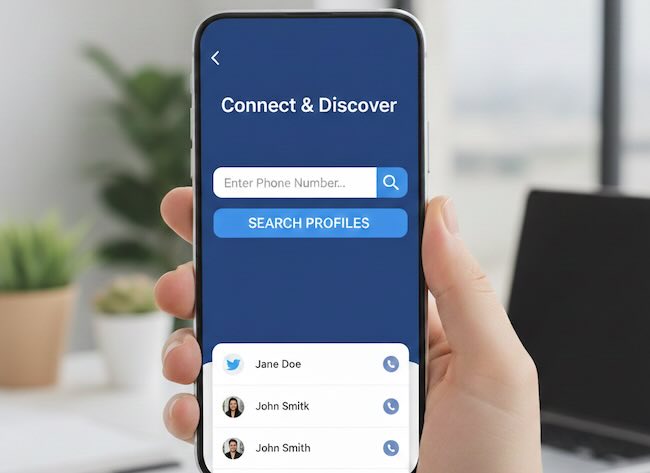
Open-source intelligence, or OSINT, refers to information collected from publicly available sources. In HR, this includes social networks, forums, blogs, news mentions, and professional communities. Modern recruitment teams increasingly rely on structured user search tools for social media and the open web to support compliant and consistent candidate research.
Modern HR social media screening increasingly relies on structured OSINT practices rather than casual browsing.
Search engines remain powerful tools for ethical background checks when used precisely. Advanced Google operators help narrow results and reduce irrelevant data. HR teams that want to go deeper into ethical OSINT techniques can use structured search frameworks such as those outlined in this manual guide to Google search operators for OSINT.
Finding Professional Portfolios
Goal of search: Identifying verified technical or creative work published by the candidate.
Google operator examples:
- site:github.com “Candidate Name”
- site:behance.net “Candidate Name”
HR value: Helps validate real project history, skill level, and long-term professional engagement beyond what is listed on a CV.
Verifying Public Mentions Outside Personal Profiles
Goal of search: Discovering independent references to the candidate across the web.
Google operator example:
- “Candidate Name” -site:linkedin.com -site:facebook.com
HR value: Surfaces mentions in articles, community forums, or public discussions while excluding the candidate’s own social profiles.
Locating Candidate-Uploaded Resumes
Goal of search: Finding resumes published directly by candidates rather than job board listings.
Google operator example:
- (intitle:resume OR intitle:cv) “Java Developer” “Berlin” -job -jobs -sample
HR value: Helps identify authentic CVs and professional documents, which can be useful for market research, talent mapping, or proactive recruitment.
Finding Awards or Professional Recognition
Goal of search: Identifying public evidence of professional achievements.
Google operator example:
- “Candidate Name” (award OR “top performer” OR “speaker”)
HR value: Supports validation of achievements discussed in interviews and highlights potential green flags such as leadership, expertise, or industry recognition.
Searching for Specific User Handles Across Platforms
Goal of search: Mapping a candidate’s public digital footprint using a known alias.
Google operator example:
- “handle_name” site:instagram.com OR site:twitter.com OR site:reddit.com
HR value: Helps aggregate public content across platforms to understand consistency of online behavior and professional presence.
Patterns matter more than isolated posts. HR professionals should look for consistent behavior over time, not one-off statements removed from context.
Monitoring Across Social Platforms Efficiently
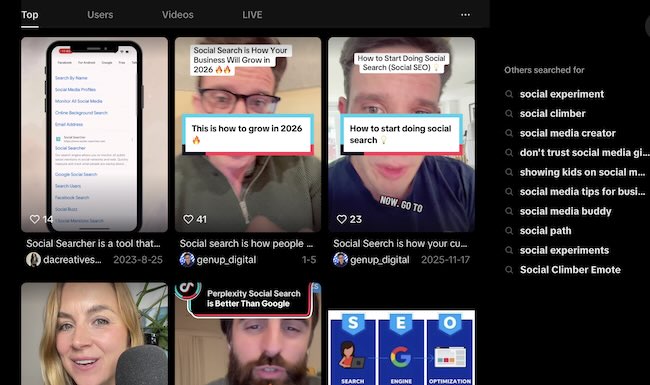
Manual searches are time consuming and inconsistent. HR teams increasingly use tools that consolidate public data across networks. Platforms like Social Searcher can support HR social media screening by enabling structured searches across multiple social media sites and web sources from one interface.
This approach allows recruiters to:
- Focus on public, job-relevant content.
- Apply consistent queries across candidates.
- Track mentions without logging into personal accounts.
- Document findings for compliance purposes.
Used properly, such tools support ethical background checks by reducing guesswork and emphasizing transparency and relevance.
7. Conclusion
Social media screening for employers is no longer a fringe practice. It is a mainstream element of modern recruitment. Yet its power requires discipline.
HR professionals must move beyond curiosity-driven searches and adopt structured, ethical, and legally grounded frameworks. Compliance with FCRA, GDPR, and local regulations is not a formality. It is the foundation of professional credibility. Distinguishing red flags from noise protects both candidates and organizations. Standardized processes reduce bias, increase fairness, and improve hiring quality.
When aligned with ethical guidelines, HR social media screening becomes a form of professional due diligence rather than personal judgment. It supports safer workplaces, protects employer brands, and reinforces trust in the recruitment process.
8. Frequently Asked Questions
Is social media screening legal for employers?
Yes, in many regions it is legal to review publicly available information. However, employers must comply with applicable laws such as FCRA in the US and GDPR in Europe. This includes transparency, relevance, data protection, and respect for candidate rights.
Do we need candidate consent to review public profiles?
In many jurisdictions, explicit consent is required when third parties are involved. Even when not legally mandatory, informing candidates is considered a best practice and supports ethical background checks.
What social platforms should HR review?
There is no universal list. Most organizations focus on platforms where candidates maintain professional or public identities. The key is consistency and role relevance, not platform volume.
Can social media screening replace traditional background checks?
No. HR social media screening complements, but does not replace, criminal background checks, reference checks, or credential verification. It provides context, not definitive proof.
How long should we store social media screening data?
Data retention should follow the principle of minimization. Keep information only as long as necessary for the hiring decision and in accordance with local data protection laws.
What is the biggest risk in social media screening?
The greatest risks are bias, discrimination, and privacy violations. These arise most often when organizations lack a standardized, documented process.
How can we train recruiters for ethical social media screening?
Training should cover legal frameworks, bias awareness, role relevance, documentation standards, and data protection obligations. Regular refreshers are recommended as regulations evolve.